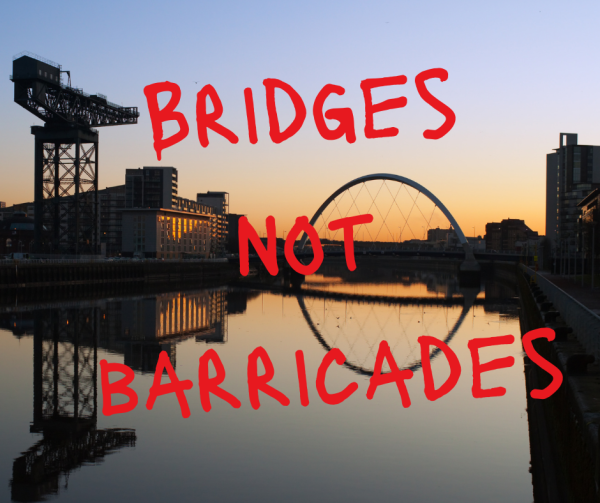
The disturbing scenes in Falkirk, Perth and Aberdeenshire in recent weeks- of protests outside hotels used to house asylum seekers – are a sobering reminder of how quickly fear and prejudice can spill into hostility.
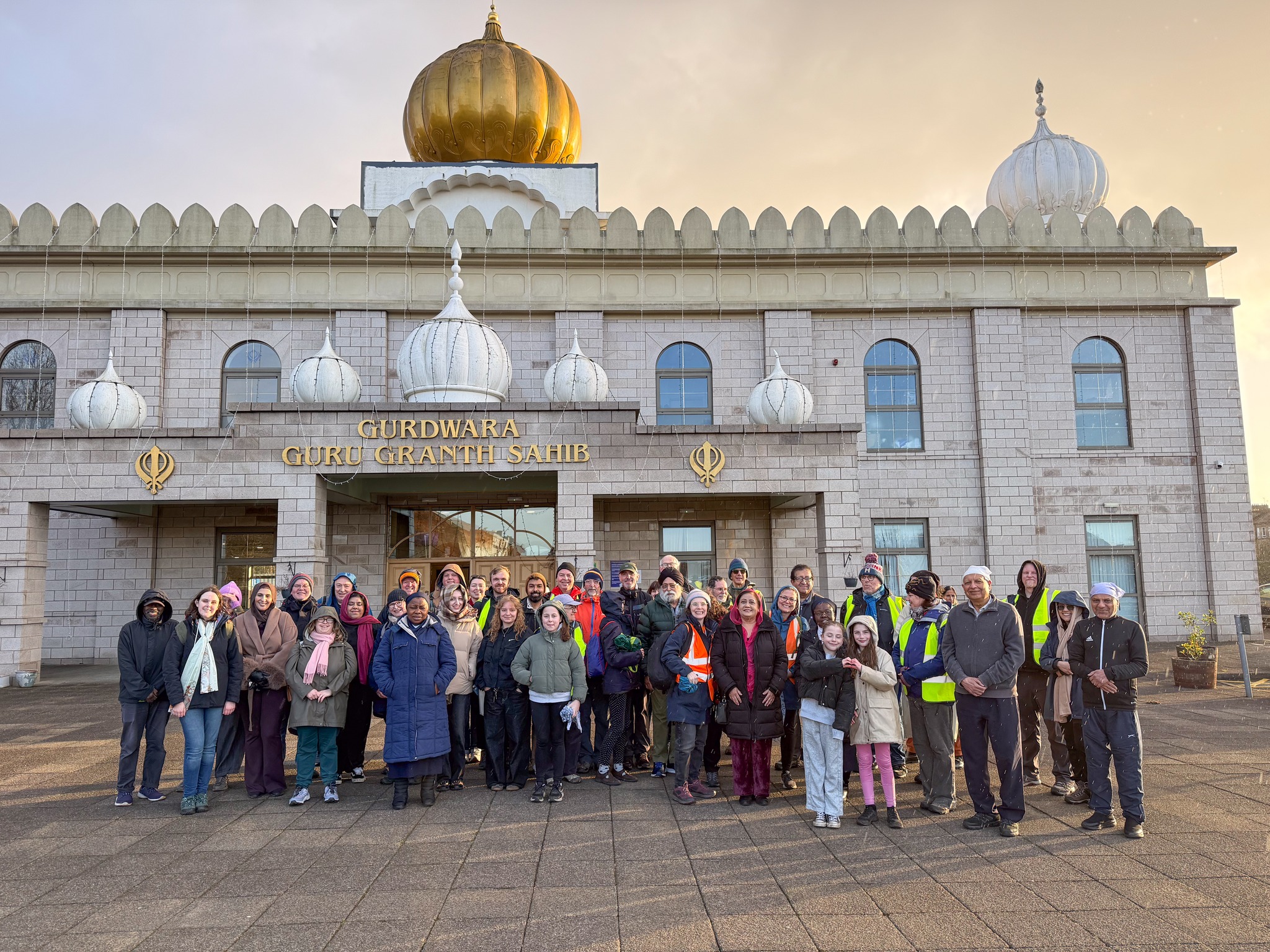
At Interfaith Glasgow, we know that such hostility can cause real fear and harm for people seeking safety here. That’s one of the reasons we’ve been working for ten years with volunteers from across the city’s diverse faith communities through our Weekend Club, to ensure refugees and people seeking asylum feel welcomed, build friendships, and find a sense of belonging in Glasgow.
But hospitality on its own isn’t enough. Prejudice must also be challenged at its roots. That’s why we are working in partnership with the Faith & Belief Forum and Why me? on the Interfaith Restorative Justice Project – the first initiative in the UK to bring together restorative practices and interfaith engagement, exploring new ways to respond to hate, repair harm, and build stronger, more resilient communities.
Our recent report, Restorative Responses & Interfaith Instincts – produced with our partners Faith & Belief Forum and Why Me? and supported by the National Lottery Community Fund – highlights how communities across the UK responded to unrest last summer, and how restorative and interfaith approaches can offer constructive, healing alternatives in times of division.
📖 Read the report here: https://interfaithglasgow.org/interfaith-restorative-justice-report-on-2024-summer-riots/
In times of unrest, it is too easy to let fear and labels divide us. We recognise that not everyone drawn to these demonstrations is motivated by hatred; many are influenced by fear or misinformation. Times are tough for many right now: the cost of living crisis and pressures on housing and the NHS are making life harder. A recent report by thinktank British Future and the Belong Network presents evidence that the bonds that hold society together – civic participation, and a shared sense of belonging – are under growing pressure, leaving our society more fragmented and fragile.
With a firm commitment against racism and discrimination, across our faith traditions we are reminded that peace grows where listening, honesty, and compassion meet.
In our work for interfaith advocacy and mutual appreciation, we believe in a Scotland that is a welcoming, pluralistic society in which diverse communities prosper and live in peace together. Through restorative approaches, and through initiatives such as our Weekend Club for refugees, we are working to build bridges rather than walls – standing firmly against harm while opening paths toward reconciliation and shared humanity.